14 – Temperance
The Temperance card often shows an angel pouring water between two cups in a way that suggests they share the water equally between them. Sometimes the water appears to defy gravity, flowing upward or endlessly circulating. This is meant to symbolize stasis or balance. It is a metaphor for exerting conscious control over our actions.
Temperance is not about wisdom earned through suffering, but equilibrium that results from conscious choice and self-discipline. It comes from being fully present in life and living with purpose in each moment. Balance is not a divine gift granted to us. It is something we achieve by acknowledging and taming our passions and impulses. It is practiced through moderation and self-restraint.
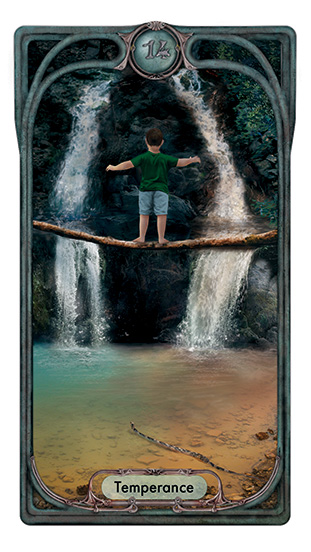
Because temperance comes from within us, I chose to substitute a child for the traditional angel. The child is not just a symbol of innocence, but also of simplicity of thought and action.
He stands on the log stretched across the water in calm balance because he is not troubled by fear or distracted by the water cascading in front of him. He has chosen to test his balance, and he maintains that balance through concentration and commitment. In doing so, he grows in confidence and strength.
I chose the setting for this card to acknowledge the traditional symbolism of Temperance while making the flowing water less of a focus. The waterfalls come from different origins, but they gradually blend within the pool. The natural world moves from chaos to harmony, from motion to stillness. A snake swims into the pool without disturbing it. It moves forward without fear.
My experience kayaking in the Everglades has taught me that where fresh water meets saltwater, disparate ecosystems coexist side by side. They mix at their boundaries and establish a balance that creates opportunities for plants and animals that can exploit the benefits of both worlds.
Temperance, in this card, is not just about moderation. It is also about trust in the body, in perception, and in the present moment. It is the willingness to enter the unknown without fear, to test boundaries, and to find balance amid uncertainty. It is understanding that balance is something you acquire through experience and maintain with confidence.
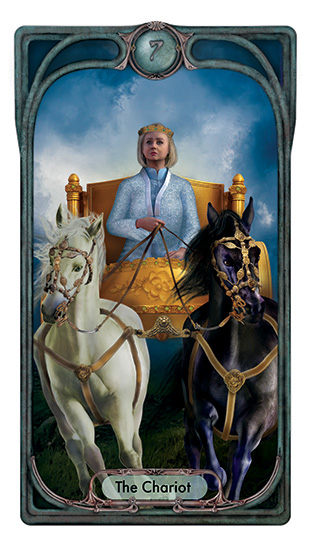
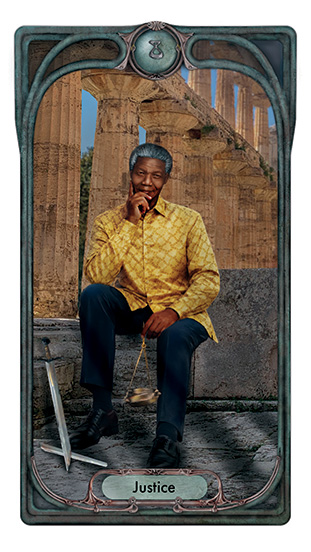
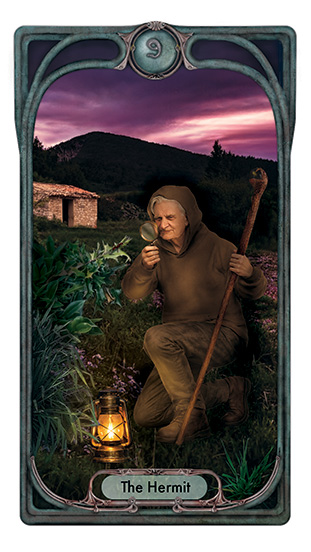
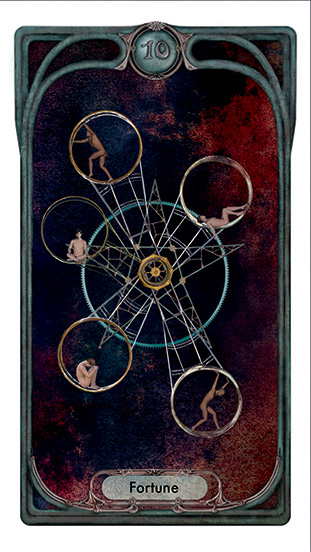
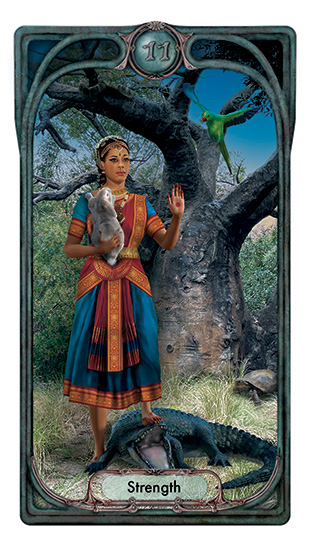
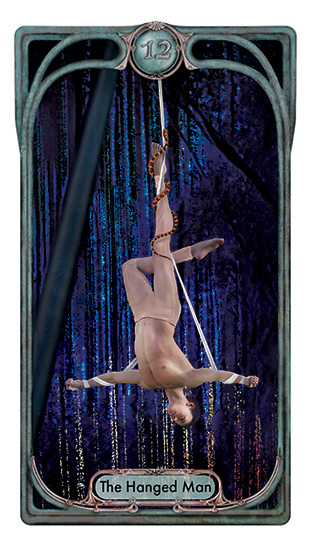
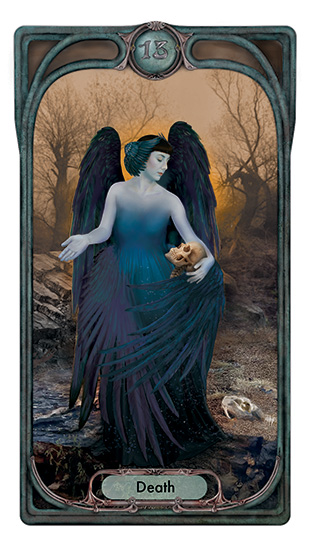
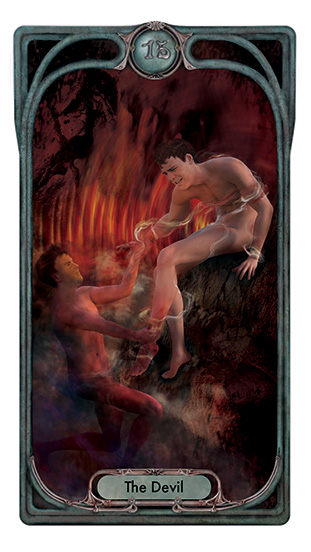

Kickstarter Campaign Launched October 1, 2026
Thank you for your interest in this campaign. Visit it on Kickstarter for updates.