10 – Fortune
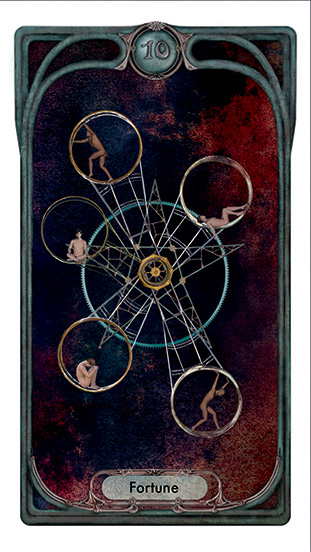
Traditionally, Fortune—often called the Wheel of Fortune—is among the most visually fixed cards in the tarot. A great wheel dominates the image, marked with arcane symbols or sacred letters. Figures rise and fall along its rim, while a crowned authority presides from above, implying judgment, destiny, or divine order. In many historical decks, Christian cosmology is reinforced through the symbols of the Four Evangelists, framing fortune as something directed by forces beyond human influence.
This imagery rests on assumptions I do not share. I do not believe in fate as a predetermined path imposed from outside the self. I also reject the notion that fortune is a zero-sum system, where one person’s rise requires another’s fall. In life, the opportunities we encounter are unevenly distributed. They are shaped by circumstance, history, and the random outcomes we call luck. Fortune, to me, is neither wholly random nor wholly ordained. It is how we respond and react, and what we make of what we are given, that defines us.
In choosing an image that could express these ideas, I was drawn to the circus Wheel of Death. Unlike the symbolic wheel of tradition, this apparatus is a physical structure: a beam with circular tracks at either end, occupied by performers whose movement causes the entire system to rotate. The wheel turns because each performer contributes to its movement, but no individual controls it.
This version of Fortune presents change as a lived experience rather than an abstract force. It is a card about change, something many people fear. Change asks us to leave behind what is comfortable and familiar to risk discomfort and uncertainty. We worry that we will lose something we value, that the future will demand more of us than we can give, or that we will be unequal to whatever lies ahead. Even positive change often requires effort, and human beings naturally gravitate toward what seems easiest in the moment.
Yet change is one of the few constants of life. It can be resisted, postponed, or ignored, but never escaped. While it often arrives as a challenge, it also creates opportunities that could never have existed otherwise. It asks us to adapt, and in adapting we become more capable than we were before. Like the turning of Fortune’s wheel, change is neither inherently good nor bad. It simply moves us into the new and the unknown, inviting us to become someone we could not have been had everything remained the same.
The wheel also reminds us that we are never the same person twice. As circumstances change, so do we. A challenge that once overwhelmed us may later be met with confidence, while one that once seemed effortless may become difficult under different conditions. Fortune is not simply something that happens to us. We meet it with the experiences, strengths, weaknesses, and perspectives we have accumulated on our journey.
Like the wheel in this card, we all have influence over the course of our lives, but none of us has complete control. Individual effort can change our direction, but no one turns the wheel alone. Acceptance is not surrender but the recognition that some circumstances cannot be forced. At different times in our lives we are called to direct our lives, and at others to simply endure. Both are part of the same journey.
At the hub of the wheel, an ouroboros encircles the center, reinforcing the continuity of change. Endings fold naturally into beginnings, and every ending contains the possibility of renewal.
In this interpretation, Fortune is neither reward nor punishment. It is the continual negotiation between action and acceptance, certainty, and uncertainty, change, and adaptation. The wheel never stands still, and neither do we.
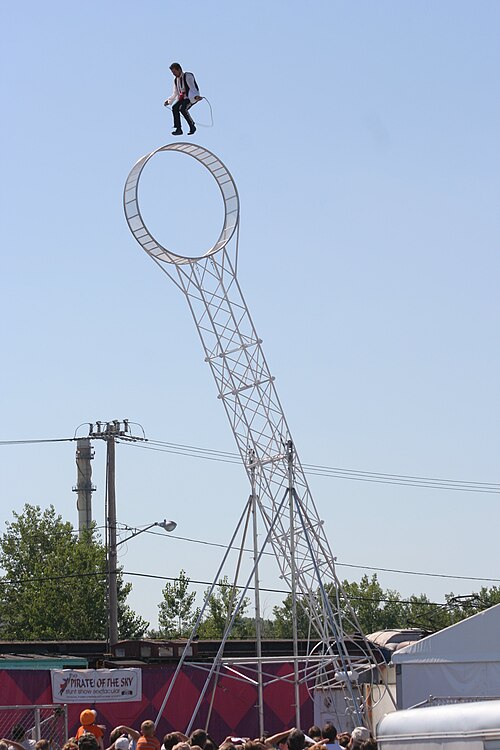
work in progress
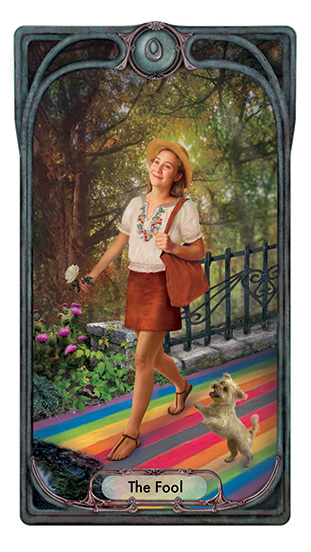
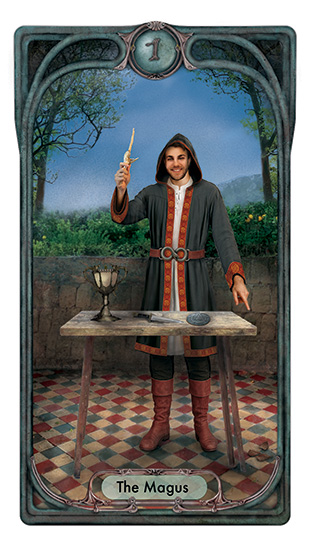

Kickstarter Campaign Launched October 1, 2026
Thank you for your interest in this campaign. Visit it on Kickstarter for updates.