8 – Justice
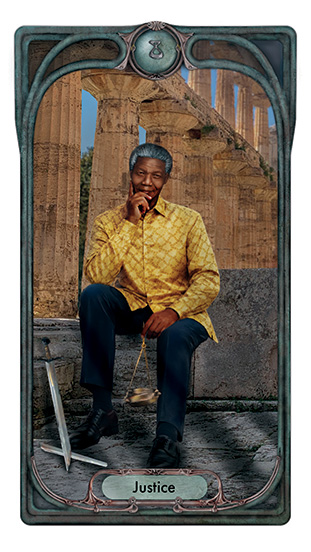
Traditionally, this card depicts a figure seated on a throne, often crowned, holding a balance scale in the left hand and a sword in the right. This symbolic imagery predated the tarot and has been consistent over centuries. It is still used today in cultures around the world. Even though this depiction persists, I think it is outdated in significant ways. The sword, in particular, made sense in earlier times. When the tarot emerged in Europe in the 15th century, justice was often swift and brutal, and the sword was not a metaphor.
I think it is time to revisit these symbols, but also to rethink the concept of Justice itself. To me, justice should be slow, deliberate, and measured. It should focus on restoring balance and repairing harm rather than inflicting punishment.
Another problem I have is with the depiction of the judge as a single, wise authority who delivers justice with clarity and probity.
If Justice were absolute and infallible, injustice would not exist. But there have been many examples of systems that institutionalize inequality or penalize individuality and nonconformity. We have seen judicial systems corrupted through politics, religious belief, racial bias, and the desire for wealth and power.
The sword implies punishment inflicted upon the party judged against, but punishment does not reverse the harm done to the one who has been wronged. It merely delivers reciprocal harm to the offender. An outcome that restores nothing and only deepens loss is not justice. It is cruelty. Justice should seek restitution rather than retribution. Its highest purpose is repair, not revenge. For this reason, I retained the sword in my image, but it is broken and rejected as a source of authority.
I also retained the scales as a reference to the traditional symbol, but they are held low, almost casually, and tipped slightly. This suggests that we have no reliable or absolute way to measure human guilt and innocence.
I used a background of ancient ruins for this card to suggest that the concept of justice has probably been with us for as long as humans have lived in society with others. It is universal, but it also evolves and adapts.
The figure in the card was modeled on Nelson Mandela. I used the diagonal shadows of the pillars to symbolize the bars of the cell in which he was confined. His experience defines the concept of justice I wanted to identify with this card: Justice requires patience and restraint. It need not be swift or final, but it should focus on reconciliation, correction, and healing, rather than punishment and revenge.
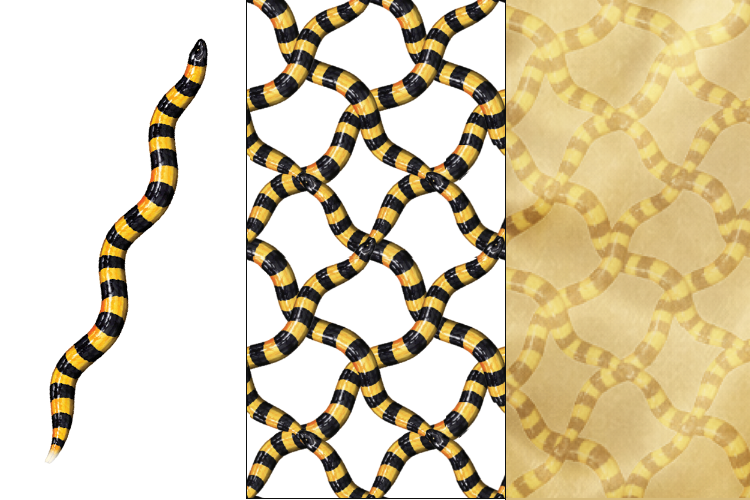
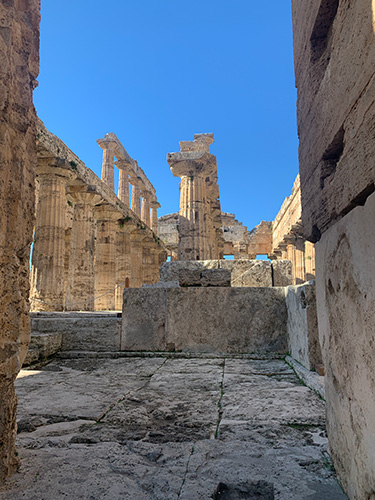
work in progress
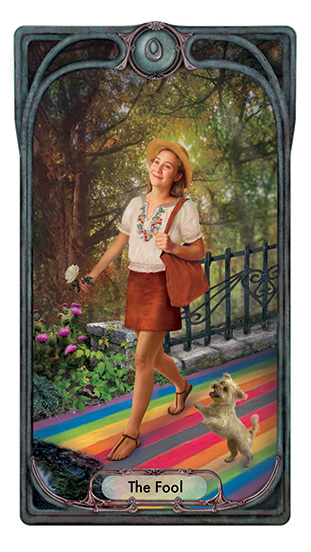
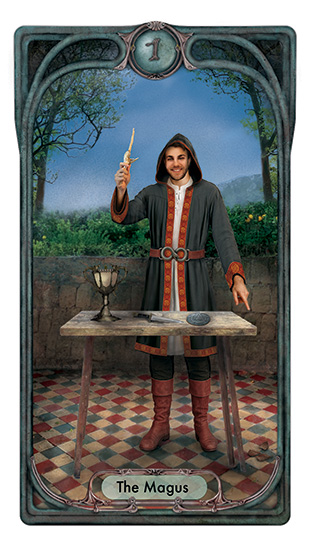
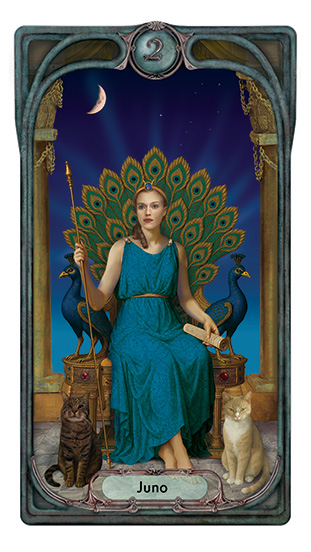
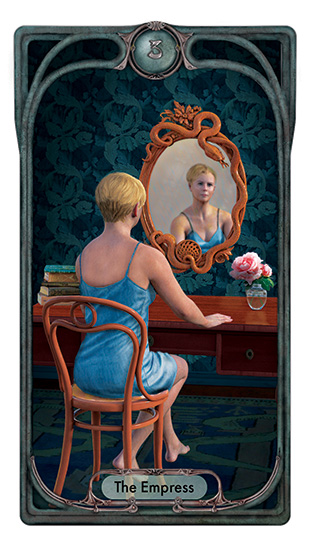
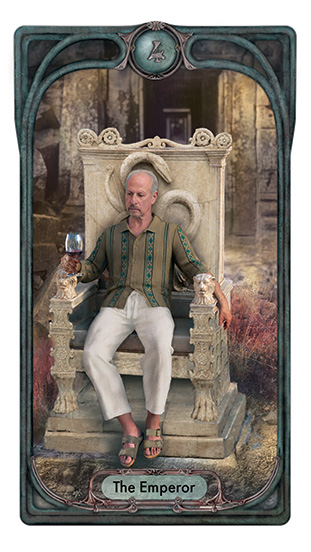


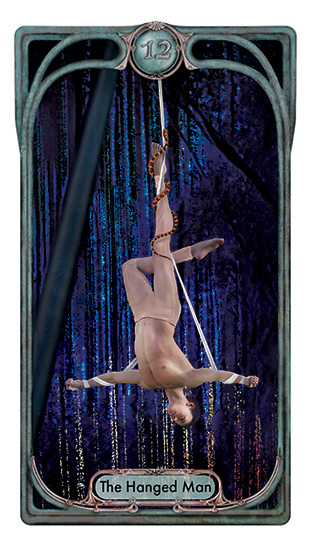
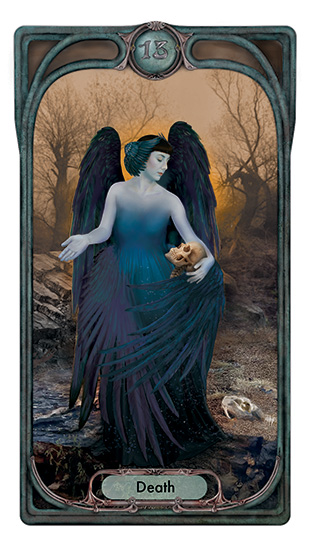
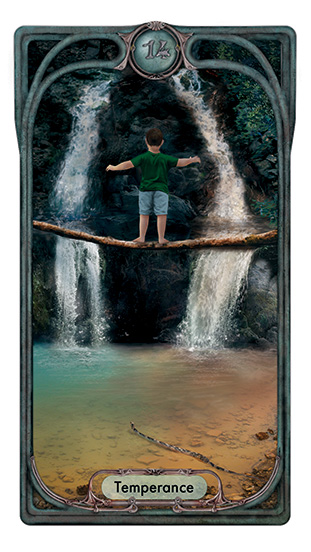

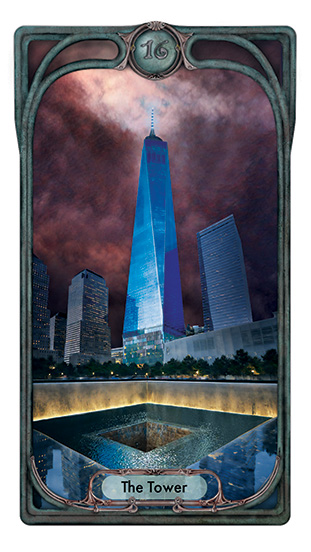




Kickstarter Campaign Launched October 1, 2026
Thank you for your interest in this campaign. Visit it on Kickstarter for updates.