13 – Death
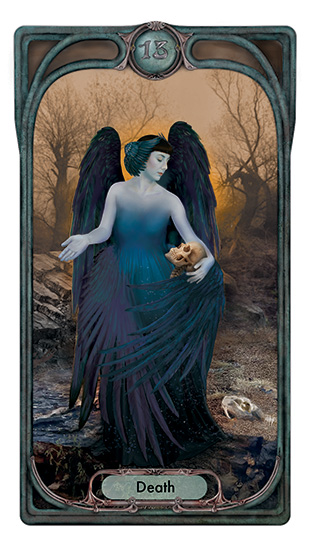
Traditionally, the Death card has been depicted through bleak, macabre imagery. Early decks often show a skeleton with a scythe, cutting down people without regard to their wealth, status, or age. Priests and kings fall beside peasants and children. This imagery emphasizes inevitability and equality rather than punishment: all are equal in death.
Skeletons frequently appear in this card to represent what remains after transformation. When flesh decays and human identities fall away, only the bones remain. In this sense, the skeleton is a symbol of the underlying structure that persists when what is perishable and temporal is stripped away.
Despite the overt references, Death represents irrevocable change rather than actual mortality. It marks irreversible endings and unavoidable transformations. It signals the inevitable conclusion of a phase, relationship, or way of living that has reached its natural limit or fulfilled its purpose.
The card does not suggest a need for change, but instead asks the reader to come to terms with the result of a change that has already occurred.
When tarot emerged in 15th-century Europe, death was less of an abstraction than it is today. The bubonic plague had eliminated nearly half the population in the preceding century and remained a persistent threat well into the sixteenth century. Thanks to advances in health and sanitation, our relationship to death has changed, and most people now expect to live into old age.
Death is no longer a constant shadow over our lives. But as we age, Death begins to walk beside us, quietly at first, but gradually becoming more intrusive as we feel our energy diminish and our bodies weaken. It reminds us to complete what remains unfinished, to reconcile, and to make peace.
That is the feeling I wanted to convey in this card. Death is not a predator, but a companion. She extends her arm and gathers us into her embrace, easing the weight of worldly concerns and guiding us toward the inevitable.
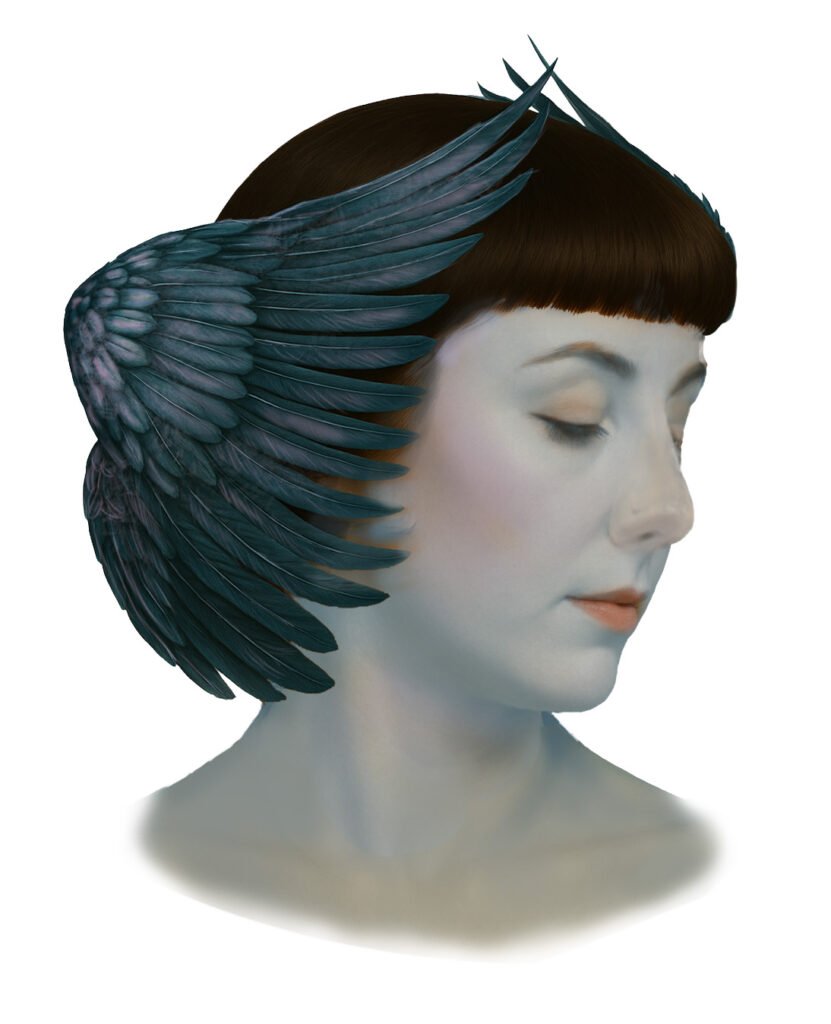
For the imagery, I chose to depict a seraph: the Malakh ha-Mavet of Jewish tradition. I wanted to emphasize that even amid war, pandemic, or disaster, each death is a singular, interior experience. Death is not rampaging indiscriminately; she has come for us alone. Her wings enfold us, her gown becomes the cosmos itself, and she receives us with tenderness and compassion, relieving our pain and our burdens.
Just as death is inevitable, so is change. We can delay it, but ultimately we must accept it and allow ourselves to be transformed by it. To resist change is to resist growth and the wisdom that comes from opening ourselves to new experiences. This call to acknowledge the transformative power of necessary change is the message of this tarot card.
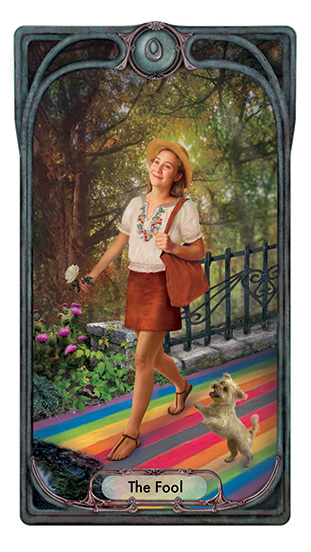
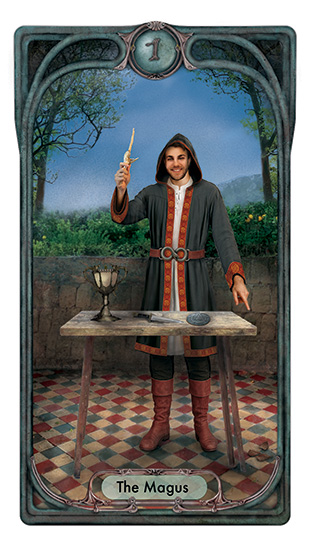
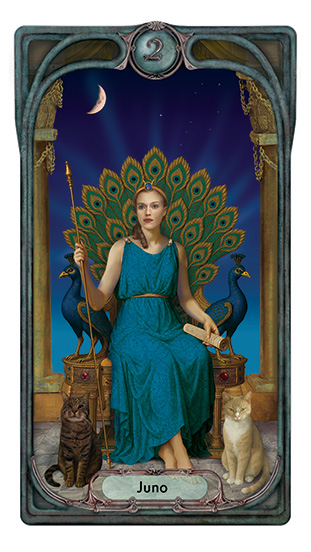
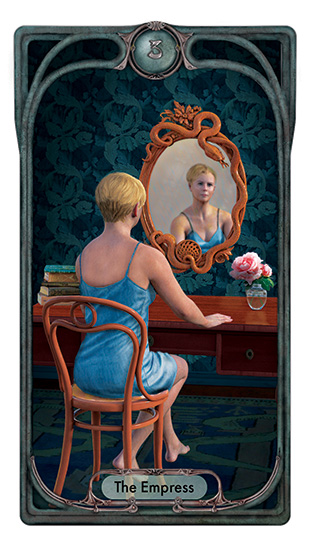
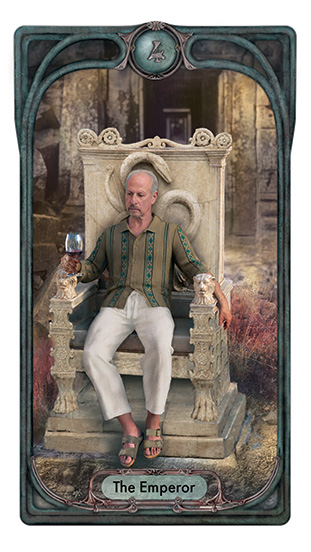
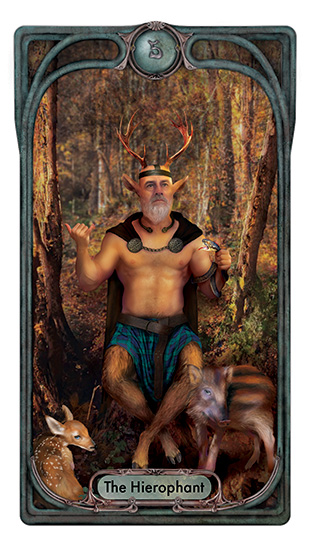
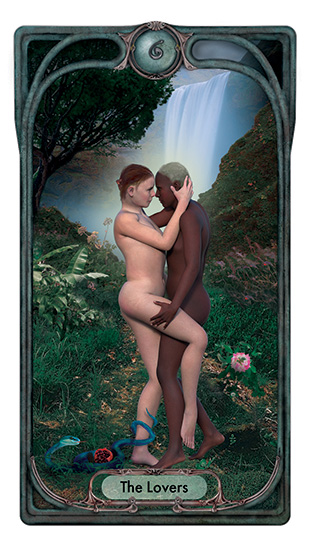
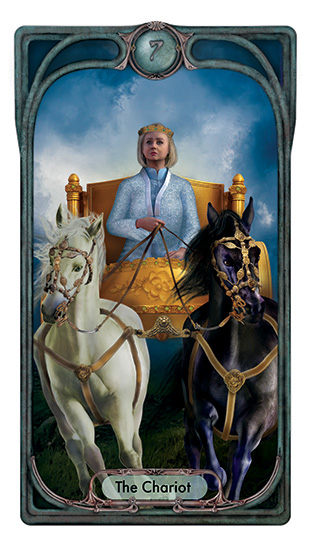
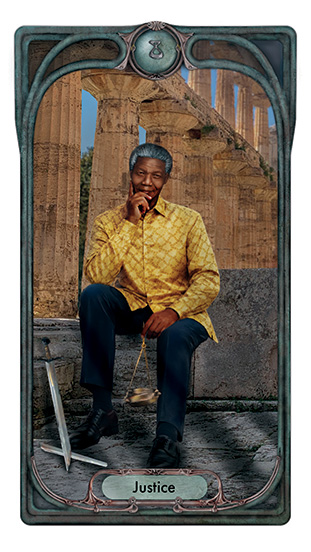
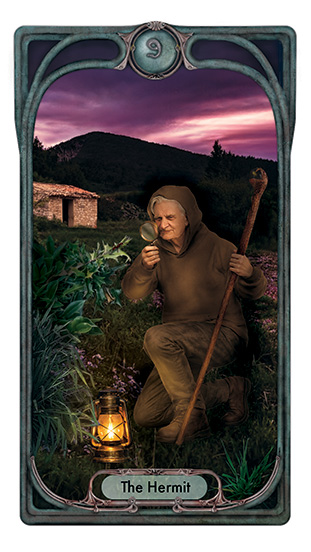
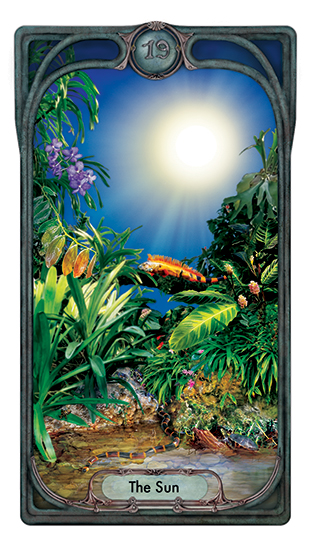
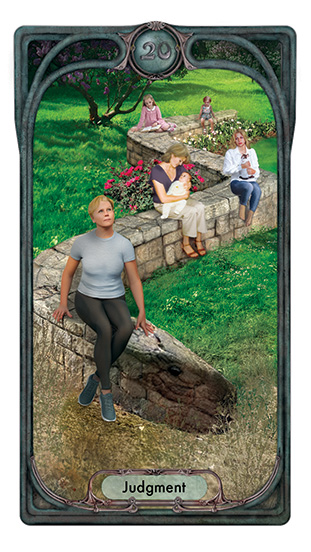
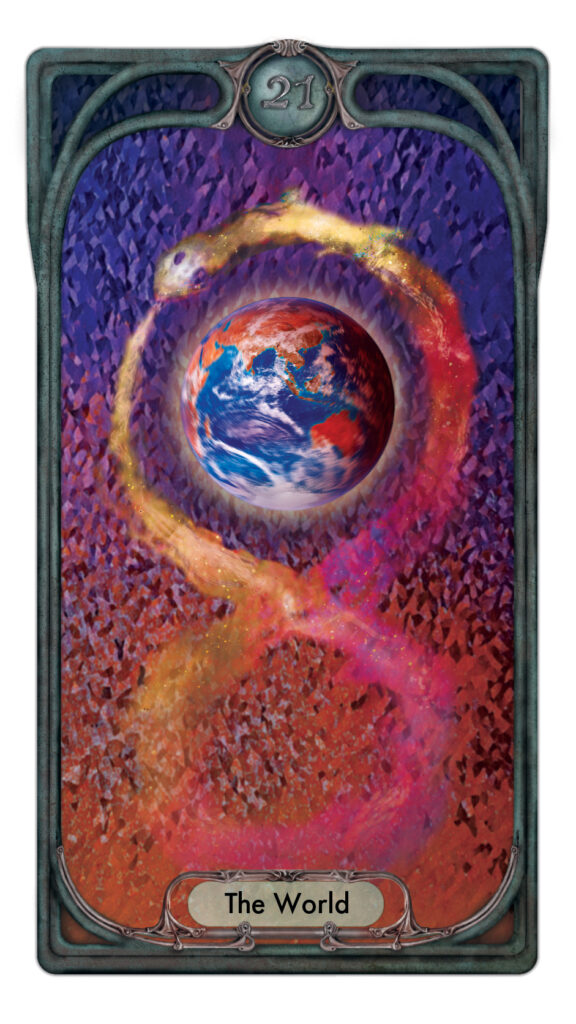

Kickstarter Campaign Launched October 1, 2026
Thank you for your interest in this campaign. Visit it on Kickstarter for updates.