The Court Cards
Overview of the Minor Arcana Court Cards
The Court Cards are the human element of the Minor Arcana: sixteen figures who embody the values, tensions, and modes of action contained within the four suits. In traditional Tarot they are often treated as literal people or personality types, but in the Rational Tarot they function more as archetypal roles—ways of engaging with the world, patterns of behavior, and stages of personal development. They stand between the abstract numerical structure of the Minor Arcana and the fully symbolic narrative world of the Major Arcana, combining human presence with the disciplined visual language established throughout the deck.
Each suit expresses a different domain of human experience. Wands concern ambition, drive, conviction, and directed energy. Cups explore emotion, connection, creativity, and intuition. Swords deal with intellect, conflict, analysis, and communication. Coins focus on material reality, labor, survival, craft, and stability. The Court Cards personify these forces, showing how individuals embody, misuse, refine, or master them.
The four ranks represent distinct approaches to maturity and expression within each suit. Princes and Princesses are learners: curious, inexperienced, exploratory, and open to possibility. Knights are agents of motion and force, defined by pursuit, momentum, and action. Queens represent inward mastery—control through understanding, emotional intelligence, restraint, and cultivated wisdom. Kings represent outward mastery: leadership, responsibility, authority, and the ability to shape the external world according to the principles of the suit.
Wands
King of Wands
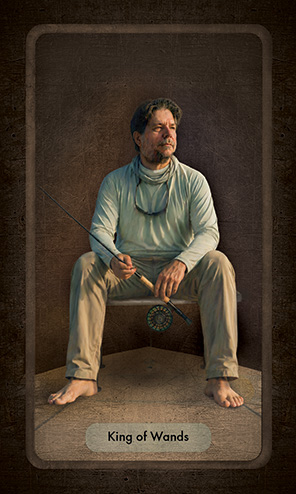
The King of Wands represents mastery through directed will. He is the mature expression of fire: energy no longer scattered or reactive, but focused into deliberate action. He acts with confidence because he possesses a clear sense of direction. The King understands restraint, timing, and responsibility. He sees the larger structure of events and knows how to align people, resources, and effort toward a goal. Rather than chasing inspiration impulsively, he transforms vision into sustained and purposeful achievement.
Reversed, confidence becomes arrogance, leadership becomes control, and ambition loses connection to wisdom or empathy. There may be a tendency to force outcomes rather than guiding them constructively. In this form, strength becomes performative rather than grounded, driven more by ego and insecurity than genuine conviction.
Queen of Wands
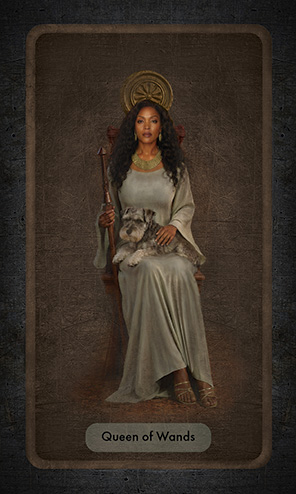
The Queen of Wands represents confidence rooted in self-possession rather than dominance. She embodies warmth, charisma, creativity, and emotional intelligence, understanding how to influence others through presence rather than force. The Queen channels the energy of fire inward, transforming passion into resilience, conviction, and personal magnetism. She understands her own strengths clearly and acts without apology or hesitation.
Reversed, confidence can become insecurity masked by performance or control. There may be jealousy, volatility, or a need for constant validation from others. Passion loses its balance and becomes reactive rather than constructive. In this form, the Queen struggles to trust her own worth without external recognition.
Knight of Wands
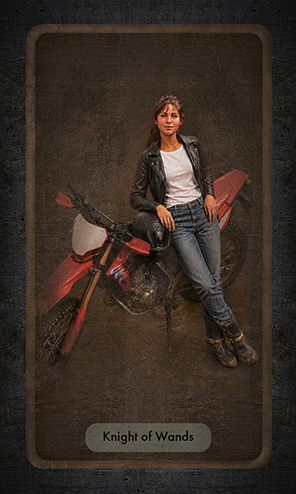
The Knight of Wands represents passion in motion: ambition propelled by energy, confidence, and the desire to act decisively. She thrives on momentum and challenge, pursuing goals with intensity and courage rather than caution. Unlike the measured authority of the King, the Knight is driven by immediacy and conviction, eager to test limits and transform inspiration into action. This card often appears during periods of rapid movement, risk-taking, or creative expansion.
Reversed, confidence becomes recklessness, impatience, or scattered ambition. There may be impulsive decisions, unfinished pursuits, or a tendency to chase excitement without considering consequences. Energy burns intensely but inconsistently, exhausting itself before lasting progress can be made. In this form, passion loses direction and becomes volatility.
Princess of Wands
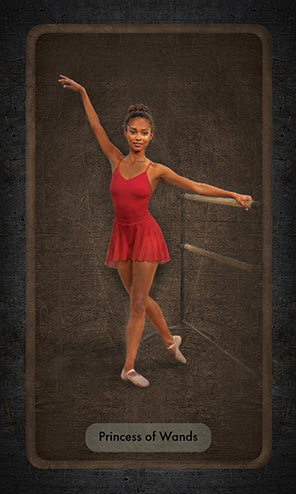
The Princess of Wands represents the first spark of ambition and possibility. She approaches the world with curiosity, enthusiasm, and a willingness to explore unfamiliar paths. The Princess has not yet mastered the force of fire, but she is energized by discovery and driven by the excitement of potential. This card often appears at the beginning of a creative pursuit, personal transformation, or new direction in life.
Reversed, enthusiasm becomes unfocused or short-lived. Ideas may remain undeveloped, abandoned once the initial excitement fades or obstacles appear. There can be impatience with the slow process of growth, or uncertainty disguised as restless activity. In this form, inspiration exists, but lacks the discipline needed to sustain it.
King of Coins
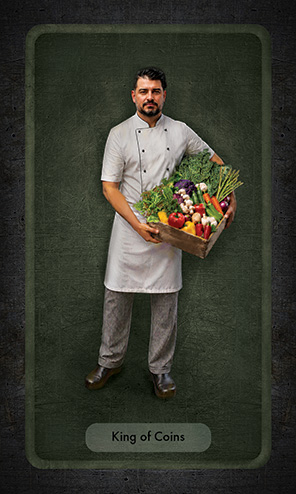
The King of Coins represents material mastery achieved through discipline, experience, and long-term vision. He understands how to create stability not through luck, but through patience, competence, and sustained effort. His authority is practical rather than performative, rooted in reliability, stewardship, and the ability to transform resources into lasting value. This card often reflects financial security, professional accomplishment, or earned confidence grounded in real achievement.
Reversed, stability becomes greed, rigidity, or excessive attachment to status and control. There may be materialism, fear of loss, or an overreliance on external measures of success. Security hardens into possessiveness, and discipline loses sight of meaning or humanity. In this form, achievement becomes hollow because it serves accumulation rather than purpose.
Queen of Coins
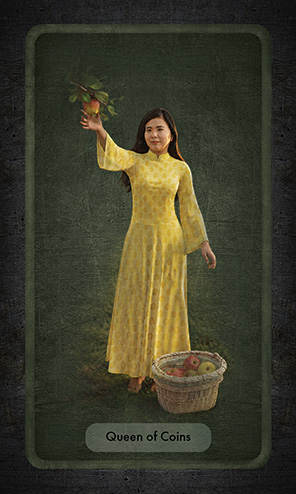
The Queen of Coins represents practical wisdom, stability, and the ability to nurture growth in tangible ways. She understands the relationship between care and survival, balancing generosity with competence and realism. Her mastery is grounded in experience: creating security, managing resources, and sustaining both herself and others through thoughtful attention to material reality.
Reversed, stability becomes over-control, self-neglect, or attachment to comfort and security at the expense of growth. There may be exhaustion from carrying too many responsibilities or defining worth entirely through productivity and caretaking. Material concerns begin to overshadow emotional or personal fulfillment. In this form, practicality becomes confinement rather than support.
Knight of Coins
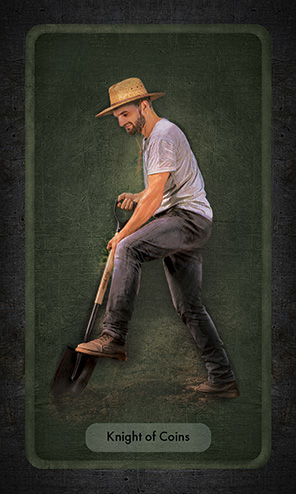
The Knight of Coins represents persistence, reliability, and disciplined progress. He advances carefully and methodically, valuing endurance over speed and consistency over dramatic gestures. Unlike the impulsive momentum of other Knights, this Knight understands that meaningful achievement is built gradually through sustained effort and responsibility. His strength lies in patience and follow-through.
Reversed, caution becomes stagnation, rigidity, or fear of change. There may be excessive attachment to routine, work without purpose, or resistance to necessary risk and adaptation. Responsibility turns into inertia rather than stability. In this form, persistence loses flexibility and becomes limitation.
Prince of Coins
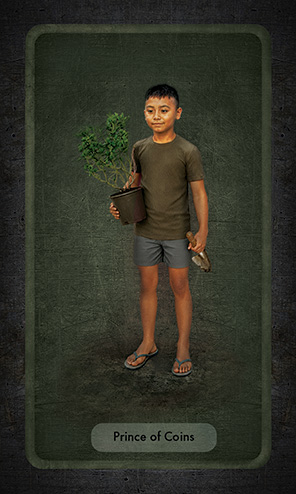
The Prince of Coins represents curiosity directed toward the material world: learning through practice, observation, and disciplined effort. He values growth that can be measured, built, or sustained over time, approaching work and skill-building with patience and seriousness. This card often appears at the beginning of a long-term endeavor involving education, career, craftsmanship, or financial stability.
Reversed, discipline becomes procrastination, insecurity, or fixation on results without commitment to process. There may be difficulty maintaining focus or translating ambition into consistent effort. Practical opportunities can be overlooked through distraction or fear of failure. In this form, potential remains unrealized because it is not fully cultivated.
King of Cups
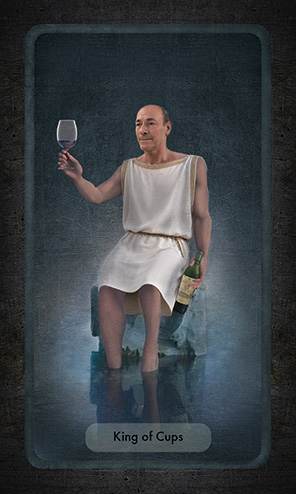
The King of Cups represents emotional stability shaped by wisdom and restraint. He feels deeply but is not ruled by impulse, understanding how to remain calm and deliberate even in emotionally charged situations. His authority comes from balance, maturity, and the ability to respond thoughtfully rather than reactively. This card often points toward diplomacy, compassion, and measured judgment under pressure.
Reversed, emotional control becomes suppression, detachment, or manipulation. Feelings may be hidden behind distance, passive behavior, or carefully managed appearances. There can be difficulty expressing vulnerability honestly, leading to isolation or emotional imbalance beneath the surface. In this form, composure conceals instability rather than reflecting genuine equilibrium.
Queen of Cups
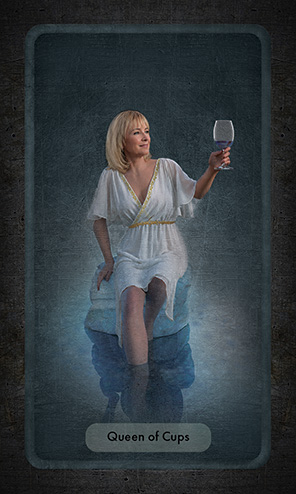
The Queen of Cups represents emotional mastery through empathy, intuition, and self-awareness. She understands the complexity of feeling without being consumed by it, offering compassion while maintaining emotional depth and balance. The Queen listens carefully, perceives what others overlook, and responds with patience rather than reaction. Her strength lies not in force, but in understanding.
Reversed, empathy can become emotional exhaustion, withdrawal, or loss of boundaries. Feelings may become overwhelming or distorted, making it difficult to separate personal truth from projection or fear. There may be martyrdom, passive manipulation, or an inability to confront difficult realities directly. In this form, sensitivity becomes destabilizing rather than grounding.
Knight of Cups
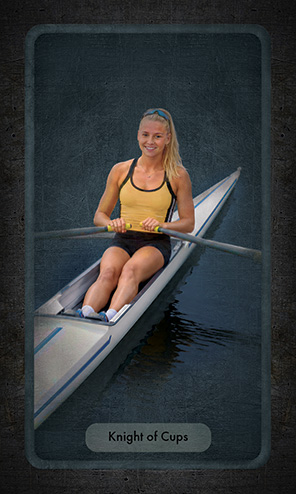
The Knight of Cups represents the pursuit of emotional meaning, beauty, and idealism. She moves through the world guided by feeling, imagination, and deeply held values, seeking experiences that resonate on a personal and emotional level. Unlike the urgency of the Knight of Swords, this Knight is motivated by vision and emotional conviction rather than logic alone. She follows inspiration wherever it leads, even when the path is uncertain.
Reversed, idealism becomes escapism or emotional instability. There may be unrealistic expectations, avoidance of practical reality, or a tendency to confuse intensity with sincerity. Emotion can become self-indulgent or manipulative when untethered from honesty and responsibility. In this form, longing replaces action, and fantasy obscures clarity.
Prince of Cups
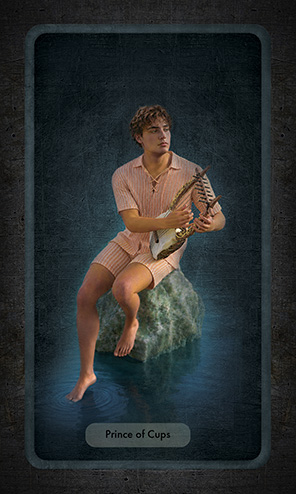
The Prince of Cups represents emotional openness, imagination, and the beginning of intuitive awareness. He approaches life with sensitivity and curiosity, willing to experience emotion without cynicism or defensiveness. This card often appears when creativity, affection, or self-reflection begin to emerge in new and meaningful ways. The Prince reminds us that vulnerability is not weakness, but the foundation of genuine connection.
Reversed, emotional openness becomes avoidance, immaturity, or self-absorption. Feelings may be exaggerated, misunderstood, or hidden beneath fantasy and escapism. There can be difficulty distinguishing intuition from wishful thinking. In this form, emotional growth is hindered by fear of disappointment or discomfort.
King of Swords
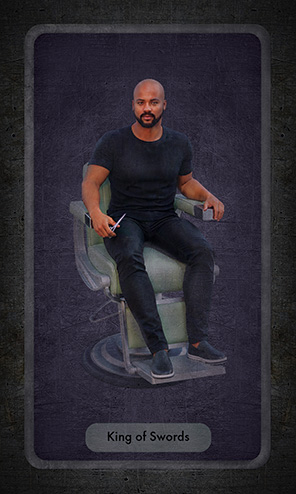
The King of Swords represents intellectual authority, discipline, and principled judgment. He approaches problems through reason, structure, and careful analysis, valuing truth and consistency above emotion or impulse. The King understands the power of ideas and communication, using logic not merely to criticize, but to create order and understanding. His authority comes from clarity of thought and integrity of purpose.
Reversed, reason becomes rigidity, detachment, or authoritarian thinking. There may be arrogance, intellectual cruelty, or an excessive need to dominate through argument or control. Logic becomes disconnected from humanity, reducing people and situations to abstractions rather than lived realities. In this form, intelligence serves ego rather than wisdom.
Queen of Swords
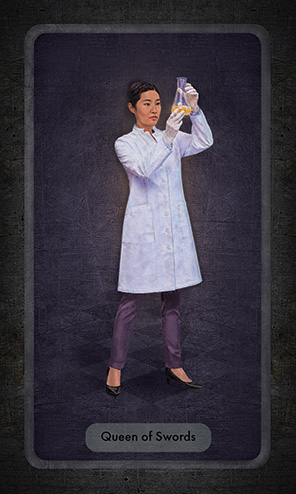
The Queen of Swords represents clarity, discernment, and intellectual independence. She values truth over comfort and sees through sentimentality, manipulation, or illusion with precision and honesty. Her strength comes from experience, self-knowledge, and the willingness to confront reality directly, even when it is painful. She speaks carefully and expects others to do the same.
Reversed, clarity becomes coldness, bitterness, or excessive judgment. There may be emotional distance disguised as rationality, or a tendency to weaponize intelligence against others. Logic loses its balance with empathy, producing isolation and distrust. In this form, perception becomes cutting rather than illuminating.
Knight of Swords
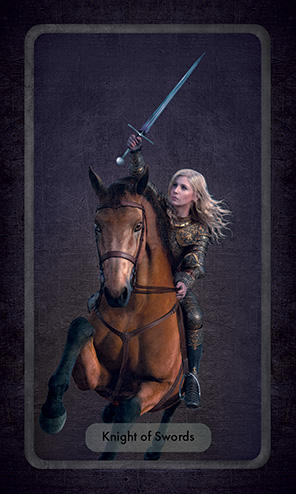
The Knight of Swords represents intellect in motion: thought transformed into immediate action. She is driven by conviction, urgency, and the desire to cut through uncertainty or deception. Unlike the reflective discipline of the Queen or King, the Knight acts quickly and directly, propelled by momentum and the belief that hesitation itself can become a form of failure. She confronts obstacles head-on, trusting clarity of purpose more than caution or diplomacy.
Reversed, determination becomes recklessness, and certainty hardens into inflexibility or aggression. There may be a tendency to rush toward conclusions, escalate conflict unnecessarily, or mistake forcefulness for truth. In this form, the mind moves faster than wisdom, and the desire to prevail can overwhelm patience, empathy, or perspective.
Prince of Swords
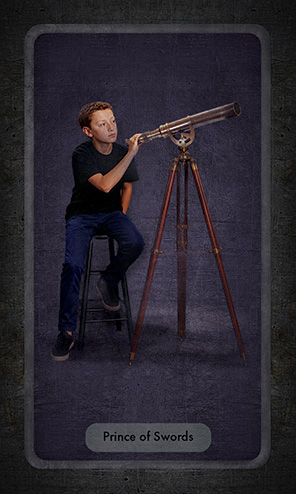
The Prince of Swords represents intellectual curiosity, skepticism, and the desire to understand how things truly work. He asks questions, challenges assumptions, and approaches the world analytically, often noticing contradictions or weaknesses others ignore. The Prince is alert, observant, and mentally restless, eager to test ideas rather than simply accept them.
Reversed, curiosity becomes suspicion, argumentativeness, or scattered thinking. There may be a tendency to overanalyze, provoke conflict unnecessarily, or mistake cynicism for intelligence. Information is gathered without wisdom or perspective, leading to confusion rather than clarity. In this form, intellect becomes reactive instead of insightful.
The Minor Arcana
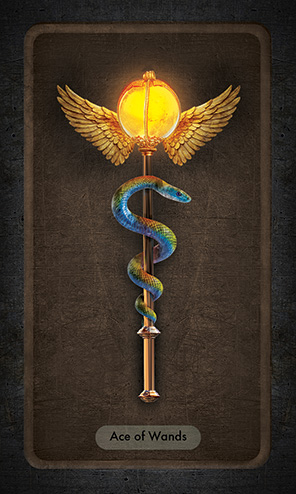
Ace of Wands 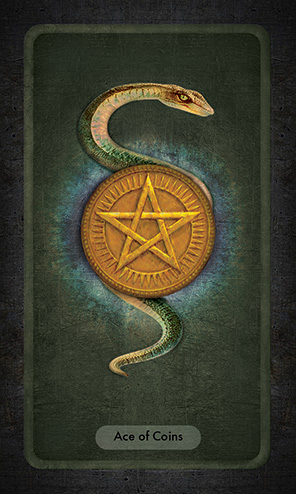
Ace of Coins 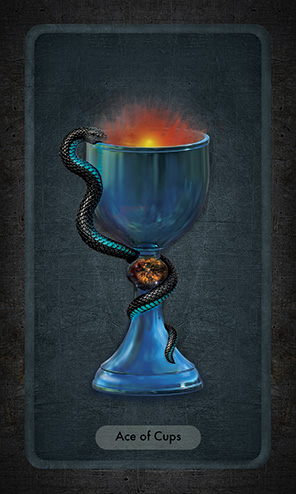
Ace of Cups 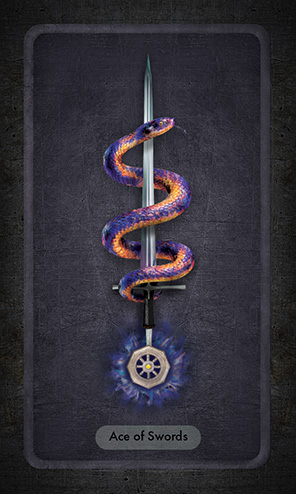
Ace of Swords 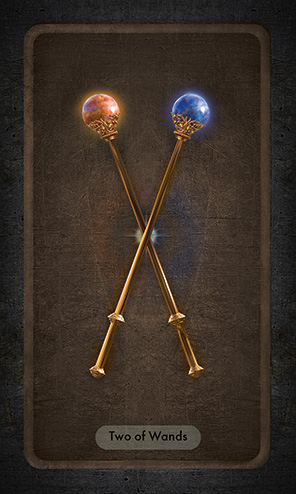
Two of Wands 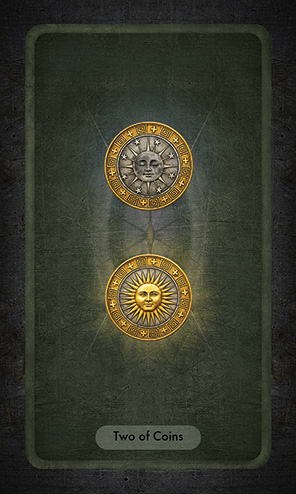
Two of Coins 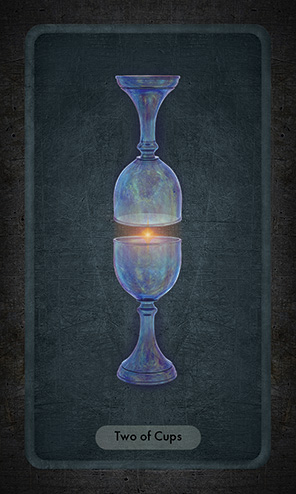
Two of Cups 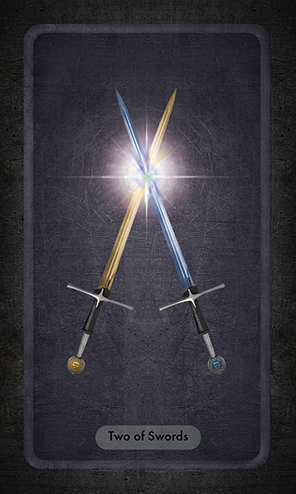
Two of Swords 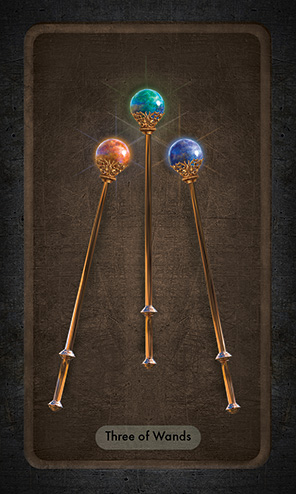
Three of Wands 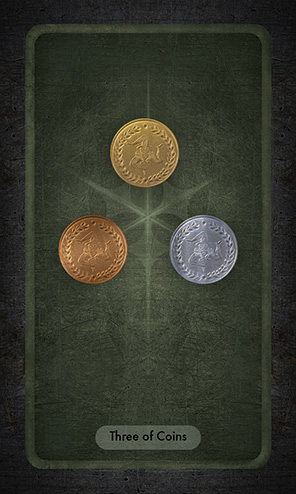
Three of Coins 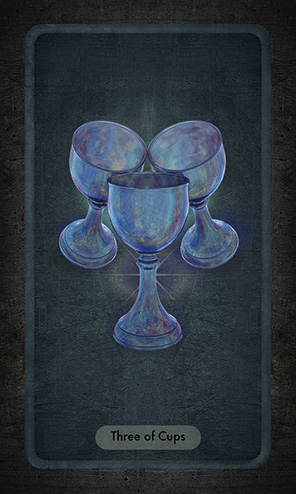
Three of Cups 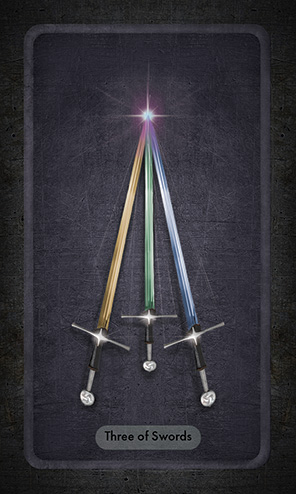
Four of 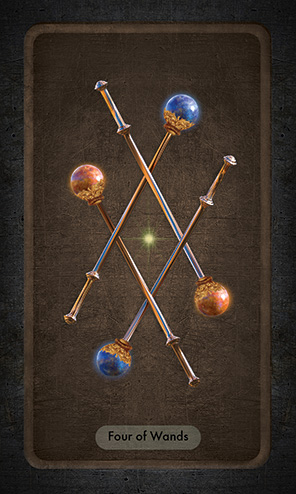
Four of Wands 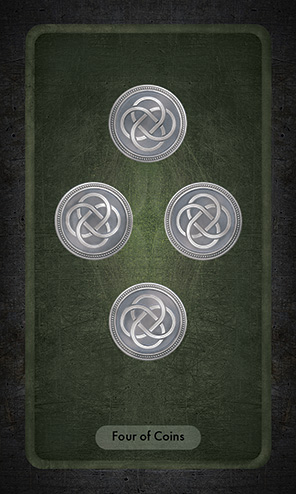
Four of Coins 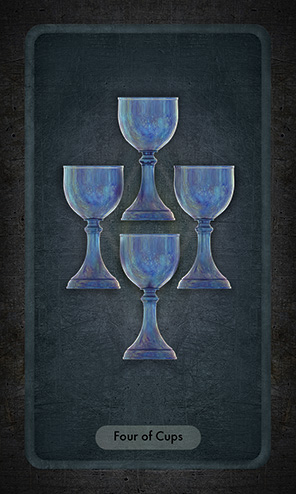
Four of Cups 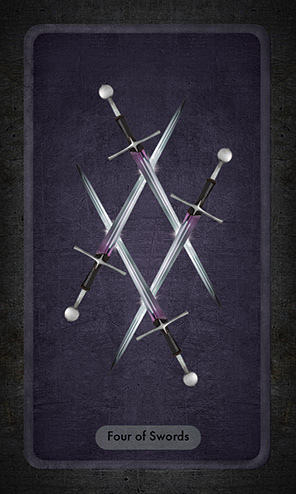
Four of Swords 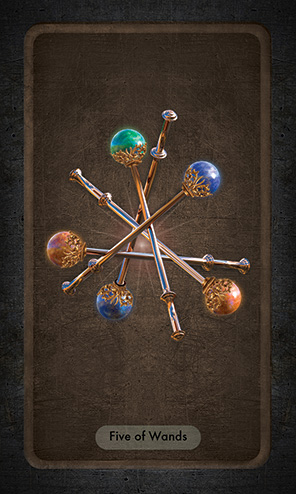
Five of Wands 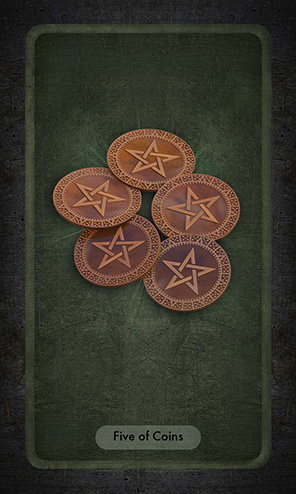
Five of Coins 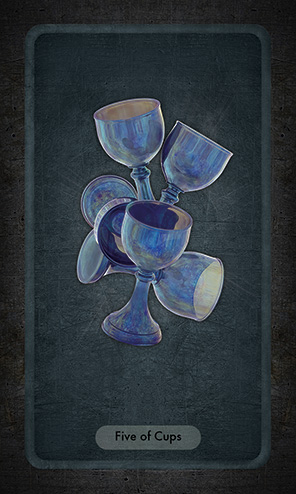
Five of Cups 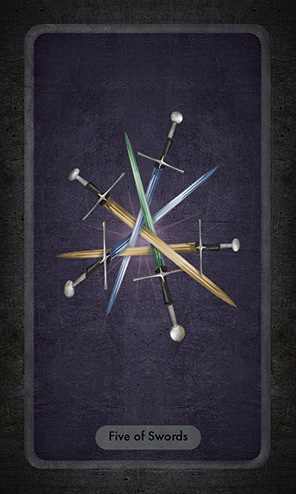
Five of Swords 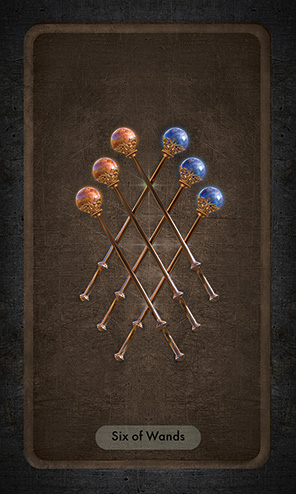
Six of Wands 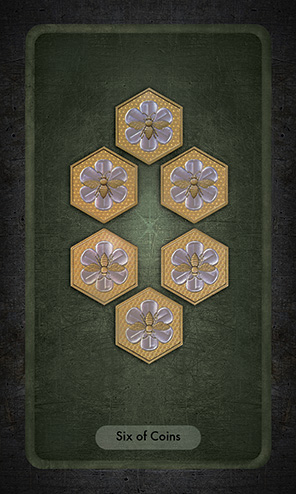
Six of Coins 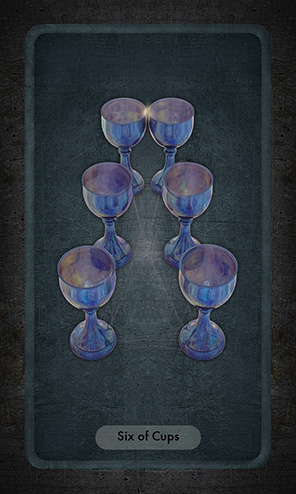
SIx of Cups 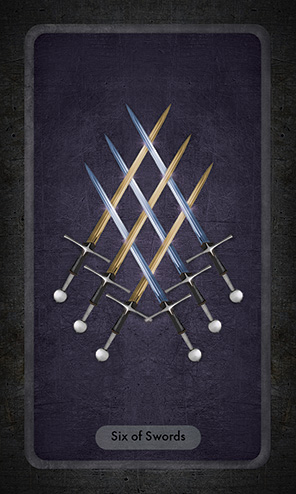
Six of Swords 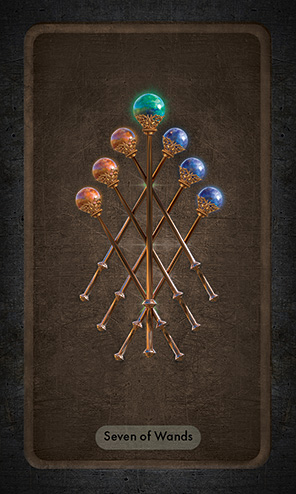
Seven of Wands 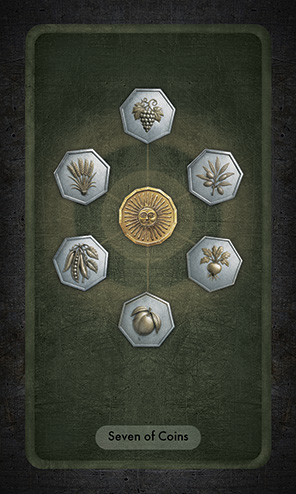
Seven of Coins 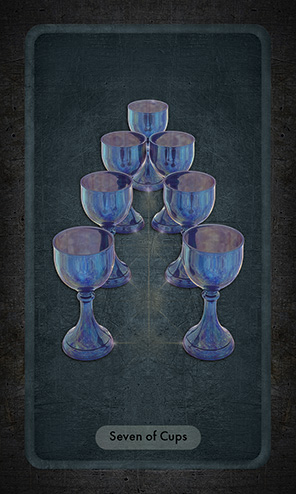
Seven of Cups 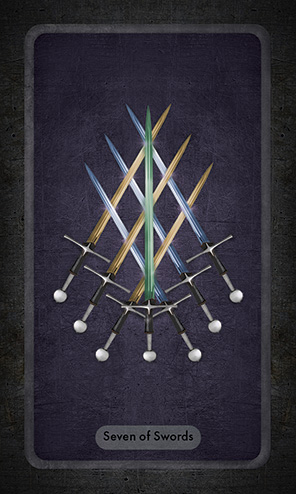
Seven of Swords 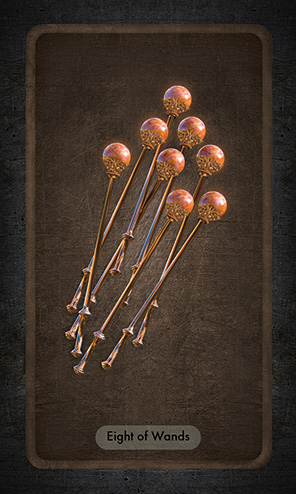
Eight of Wands 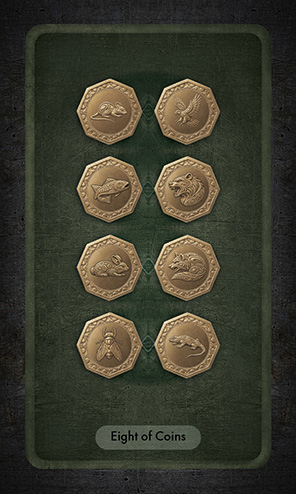
Eight of Coin 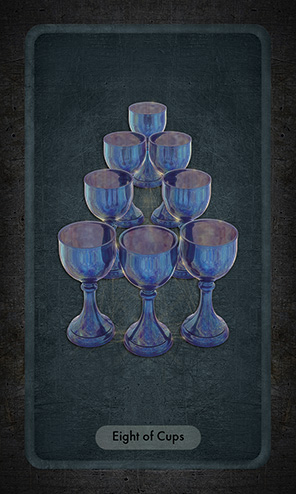
Eight of Cups 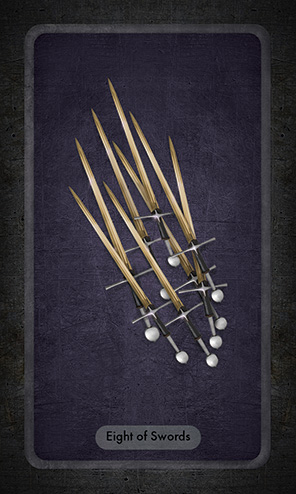
Eight of Swords 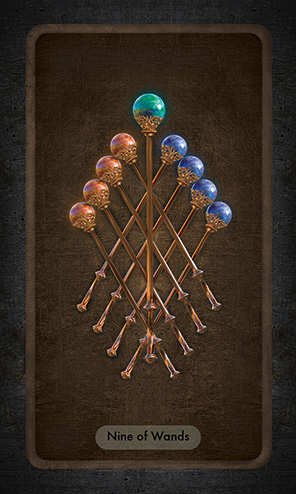
Nine of Wands 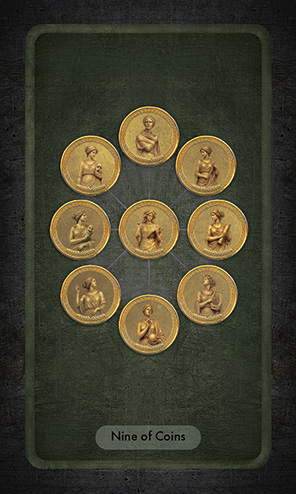
Nine of Coins 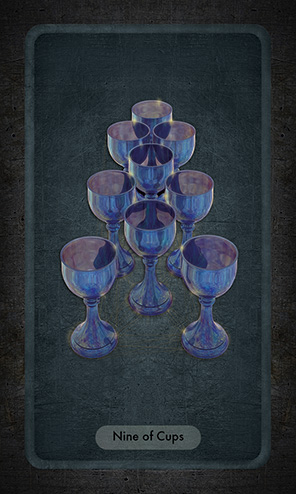
Nine of Cups 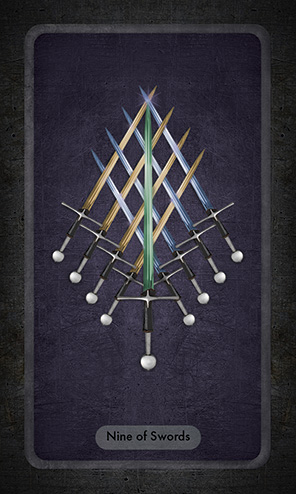
Nine of Swords 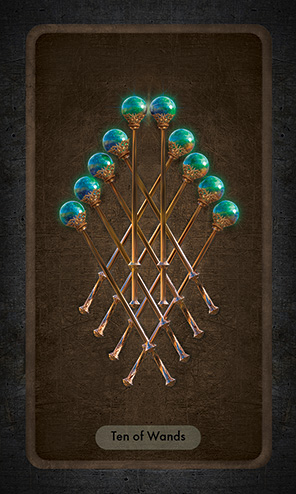
Ten of Wands 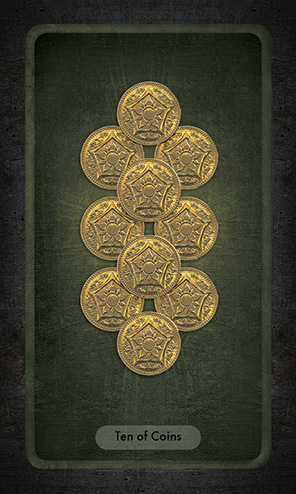
Ten of Coins 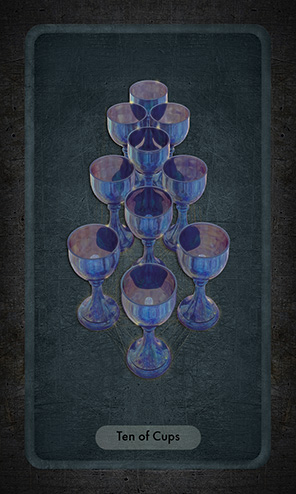
Ten of Cups 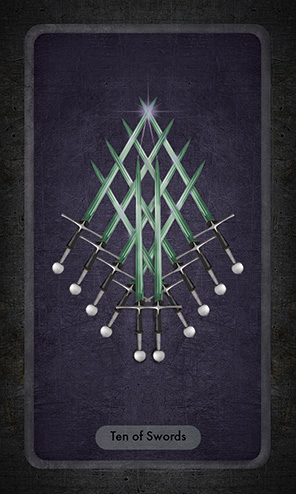
Ten of Swords Princess of Wands Knight of Wands Queen of Wands Suit of Swords Prince of Coins Knight of Coins Queen of Coins King of Coins Prince of Cups Knight of Cups Queen of Cups King of Cups Prince of Swords Knight of Swords Queen of Swords King of Swords
work in progress

Kickstarter Campaign Launched October 1, 2026
Thank you for your interest in this campaign. Visit it on Kickstarter for updates.