The Minor Arcana
Overall Approach to the Minor Arcana
The Minor Arcana in this deck is constructed as a recursive dialectical system rather than a sequence of independent images. Each card is not simply illustrative but structural, participating in a progression of thought:
1–3  → Thesis
4–6  → Antithesis
7–9  → Synthesis
10   → Final Synthesis
Within each triad, the same pattern repeats:
- first = assertion
- second = opposition
- third = resolution
This creates a layered system where meaning operates simultaneously at the numerical, structural, and visual levels.
Visually, the goal is clarity over ornament. The pip cards are designed to remain legible at a glance, even as their symbolic complexity increases. The suit symbols therefore begin with a strong identity in the Ace and are then disciplined and constrained as number and structure take precedence.
The design language follows three rules:
- Singularity → Multiplicity → System
The cards evolve from a single object to interacting structures and finally to dynamic systems. - Geometry reflects philosophy
Layout is not decorative.- vertical = unity
- opposition = polarity
- triangle = synthesis
- rotation = system
- grid = consolidation
- Energy follows structure
Light, motion, and visual effects are always consequences of relationships between elements, not arbitrary embellishments.
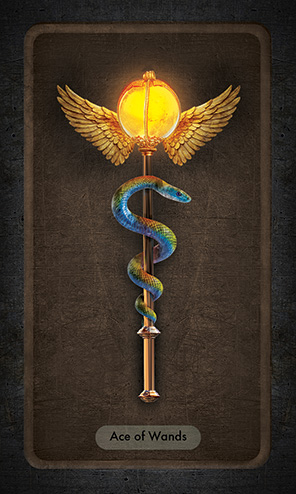
The Aces — Emergence
The Aces establish both visual identity and conceptual purity.
They represent:
- raw potential
- undifferentiated force
- the essence of the suit before division
Each Ace presents a single dominant symbol, isolated and empowered. The inclusion of the serpent reinforces:
- generative energy
- continuity with the Major Arcana
- latent motion within stillness
This is the only point in the suit where the symbol is allowed to be ornamented and mythic. After this, the system takes over.
The Ace does not act. It exists.
The Twos — Opposition (Antithesis of Thesis)
The Twos introduce division.
Where the Ace is unity, the Two is separation into opposing forces. This is the first moment of tension.
Each suit expresses opposition according to its nature:
- Wands / Swords: direct collision (crossed forms)
- Cups / Coins: polarity (mirrored or paired forms)
The Two is not balance. It is instability.
Two forces exist, but they are not yet reconciled.
Visually:
- clear axis
- separation maintained
- energy fields distinct
The Threes — Synthesis (Resolution of Thesis)
The Three resolves the tension introduced by the Two.
Each element now participates in a network, not a binary.
The addition of circular flow introduces:
- continuity
- feedback
- self-sustaining motion
The Three represents:
- cooperation
- construction
- the emergence of function
The system is stable, but still small and contained.
The Fours — Stabilization (Thesis of Antithesis)
The Four locks the system into form.
This is the first moment of structure becoming rigid.
The energy of the Three becomes held.
Meaning:
- security
- consolidation
- resistance to change
The system is no longer dynamic. It is defended.
The Fives — Disruption (Antithesis of Antithesis)
The Five breaks the stability of the Four.
This is not gentle tension. It is fracture.
Visually:
- broken geometry
- displaced elements
- interrupted flow
The system fails to hold.
The Sixes — Rebalancing (Synthesis of Antithesis)
The Six restores order, but not by returning to the Four.
Instead, it introduces adaptive balance.
The system is now aware of imbalance and compensates.
Visually:
- asymmetrical balance
- controlled flow
- structured exchange
The Sevens — Testing (Thesis of Synthesis)
The Seven reintroduces tension, but at a higher level.
The system is now questioned.
The structure holds, but its efficiency is uncertain.
Visually:
- imbalance within a stable frame
- incomplete cycles
The Eights — Refinement (Antithesis of Synthesis)
The Eight focuses on process.
This is where repetition and labor appear.
The system is improved through repetition and effort.
Visually:
- rhythm
- repetition
- ordered progression
The Nines — Integration (Synthesis of Synthesis)
The Nine represents near-completion.
The system is fully functional and internally coherent.
Visually:
- complete structure
- harmonious spacing
- contained richness
The Tens — Final Synthesis
The Ten is not just completion. It is closure and transformation.
The system reaches its limit and becomes something else.
Visually:
- dense structure
- full occupancy
- transition toward a new cycle
Closing Principle
The Minor Arcana in this system is not narrative. It is mechanical.
Each card answers:
- what forces exist
- how they interact
- what structure results
The imagery is therefore not illustrative but diagrammatic in essence, while still remaining tactile and symbolic.
The goal is that a reader does not merely interpret the card but can see the logic of the system operating within it.
Minor Arcana Numeric Reference
| Number | Dialectical Role | Core Function |
| 1 | Thesis of Thesis | Emergence, raw potential, definition |
| 2 | Antithesis of Thesis | Tension, contrast, destabilization of the new |
| 3 | Synthesis of Thesis | Stabilization, viability, coherence |
| 4 | Thesis of Antithesis | Structure, containment, limits appear |
| 5 | Antithesis of Antithesis | Stress, conflict, breakdown under pressure |
| 6 | Synthesis of Antithesis | Adjustment, accommodation, functional balance |
| 7 | Thesis of Synthesis | Reorientation, renewed effort, integration begins |
| 8 | Antithesis of Synthesis | Refinement, friction within improvement |
| 9 | Synthesis of Synthesis | Maturity, fulfillment, sustained function |
| 10 | Final Synthesis | Closure, consolidation, system complete |
This table describes what the number does, not what it “means.”The suit tells you where this function is operating.
Ace of Wands 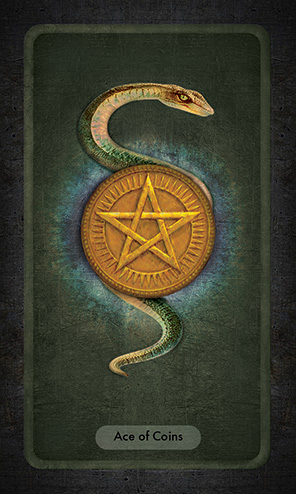
Ace of Coins 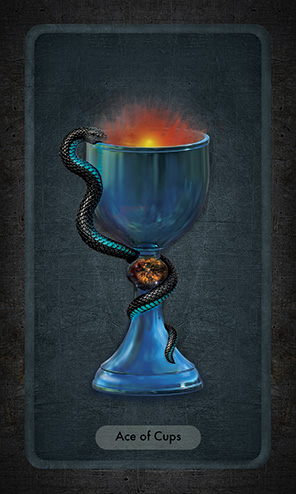
Ace of Cups 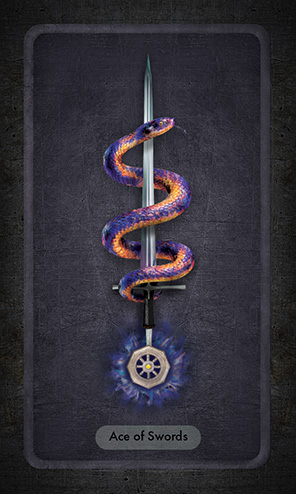
Ace of Swords 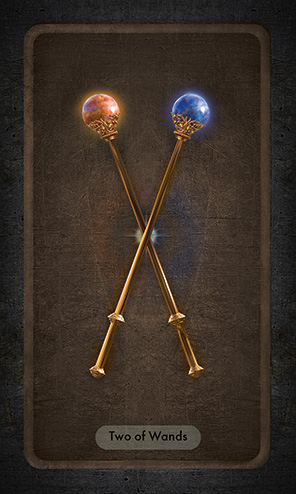
Two of Wands 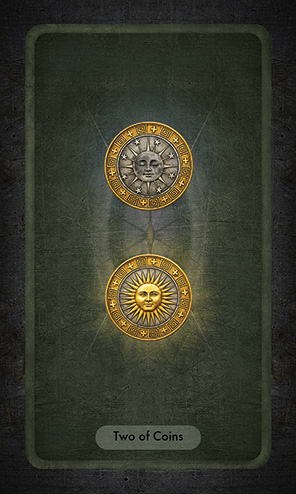
Two of Coins 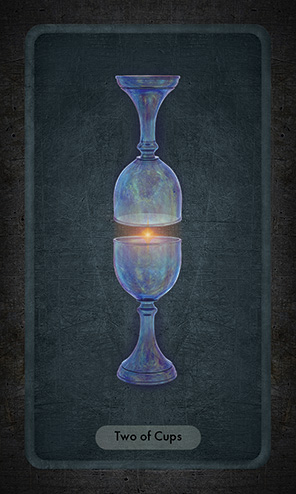
Two of Cups 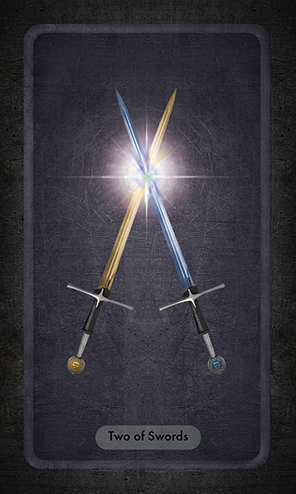
Two of Swords 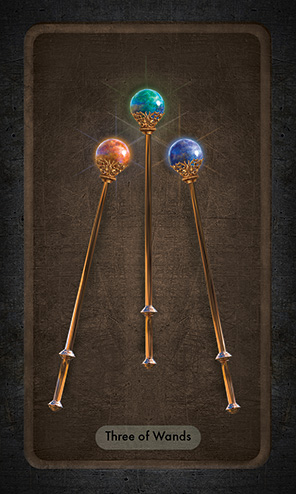
Three of Wands 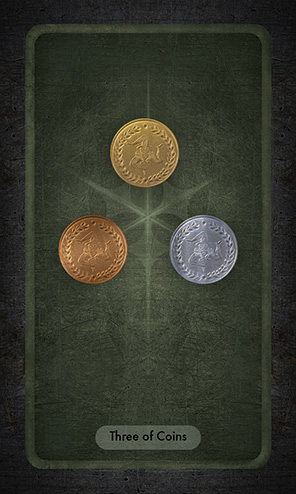
Three of Coins 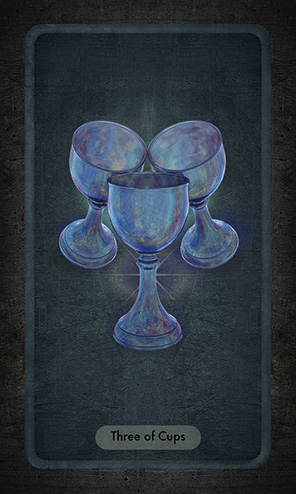
Three of Cups 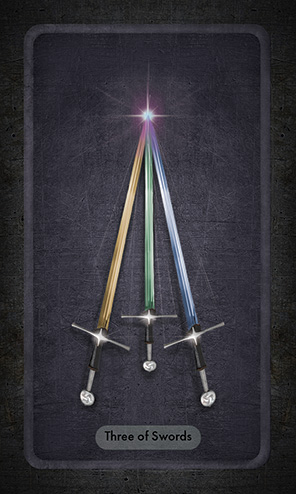
Four of 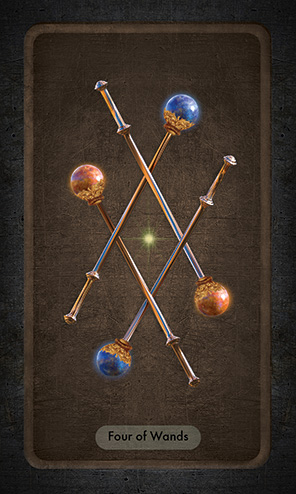
Four of Wands 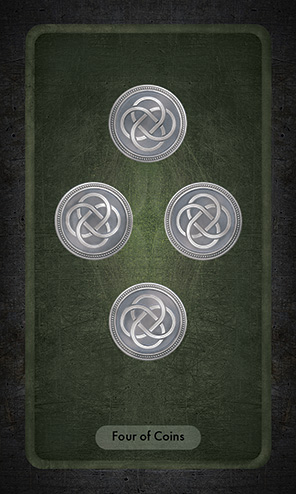
Four of Coins 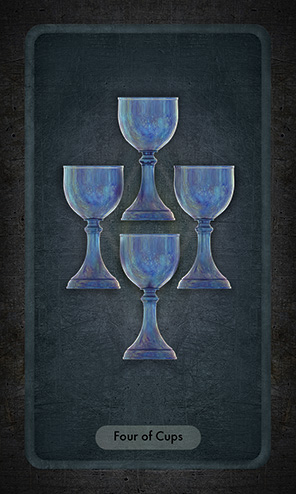
Four of Cups 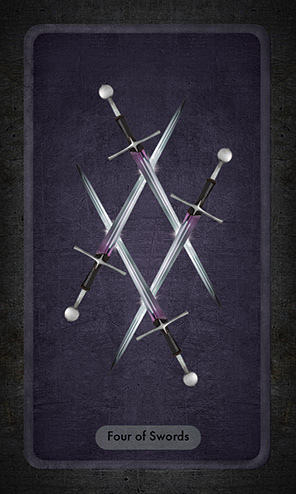
Four of Swords 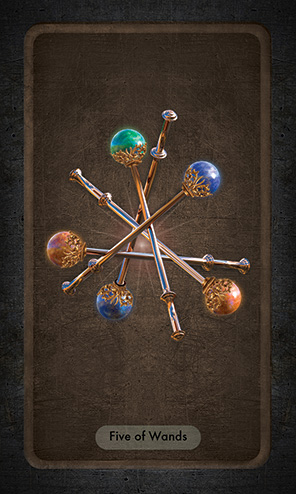
Five of Wands 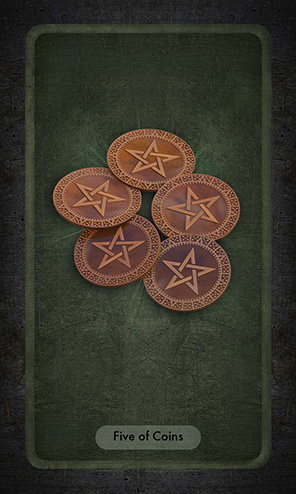
Five of Coins 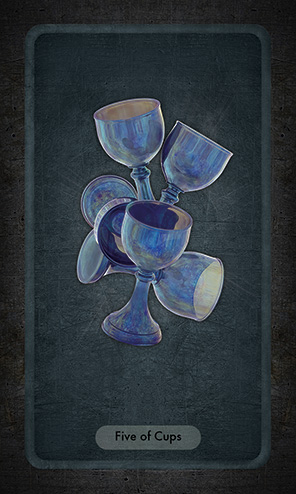
Five of Cups 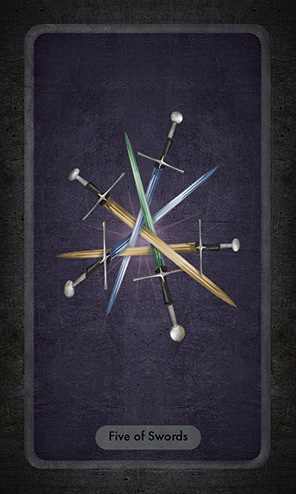
Five of Swords 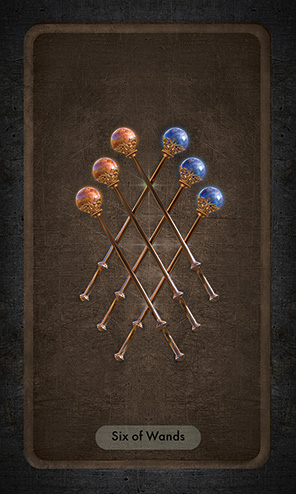
Six of Wands 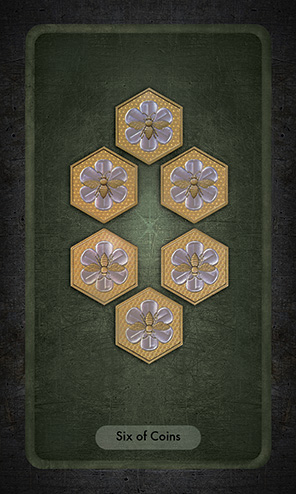
Six of Coins 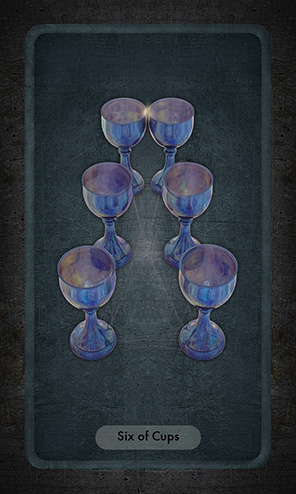
SIx of Cups 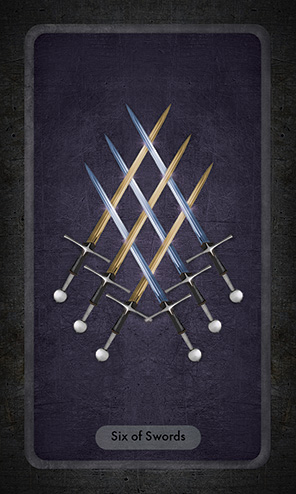
Six of Swords 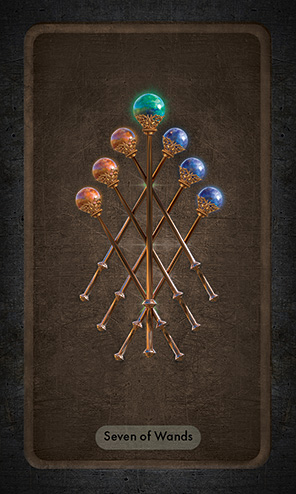
Seven of Wands 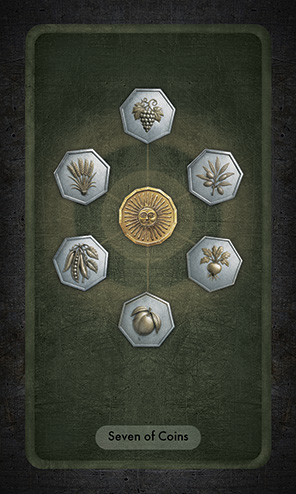
Seven of Coins 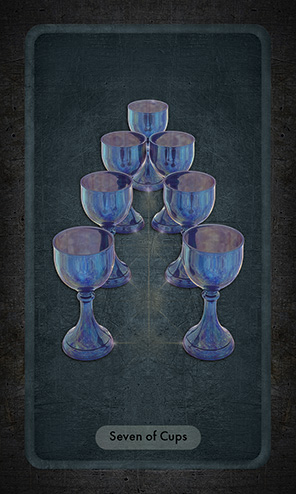
Seven of Cups 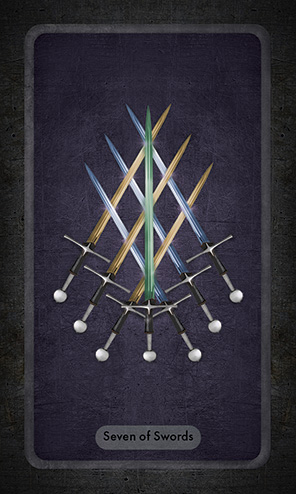
Seven of Swords 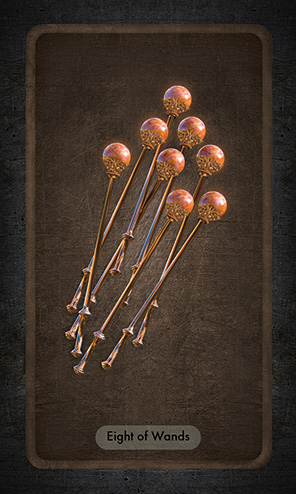
Eight of Wands 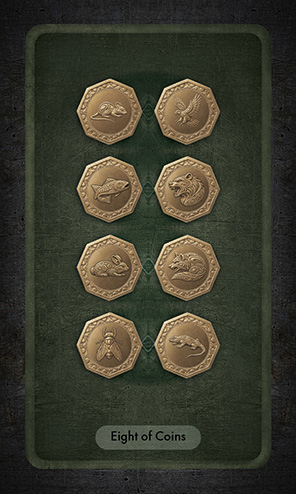
Eight of Coin 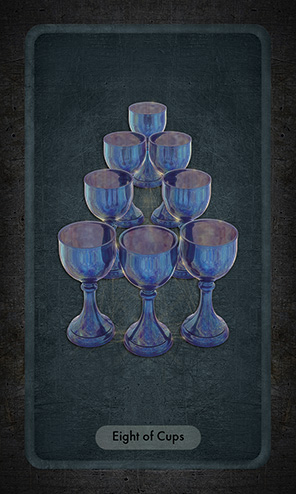
Eight of Cups 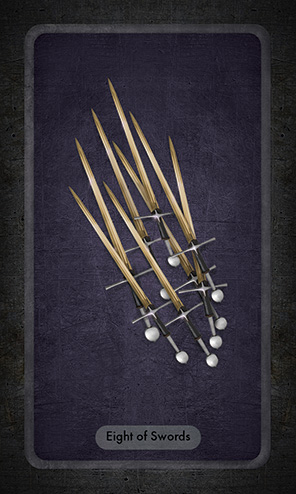
Eight of Swords 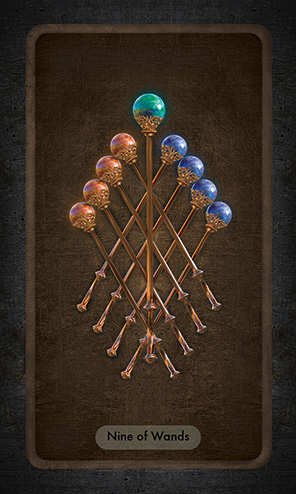
Nine of Wands 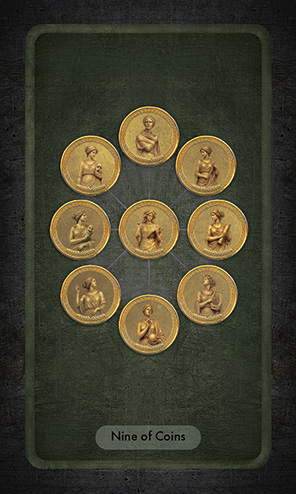
Nine of Coins 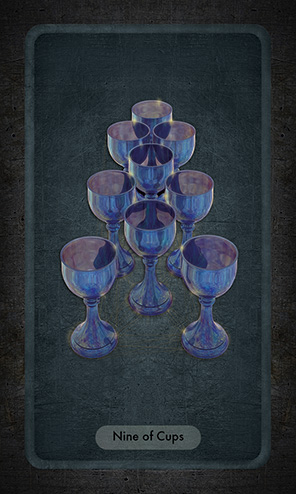
Nine of Cups 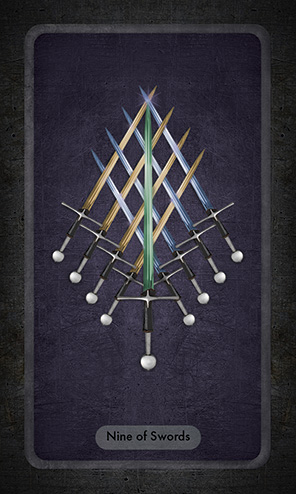
Nine of Swords 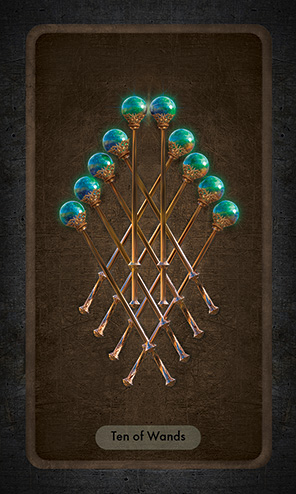
Ten of Wands 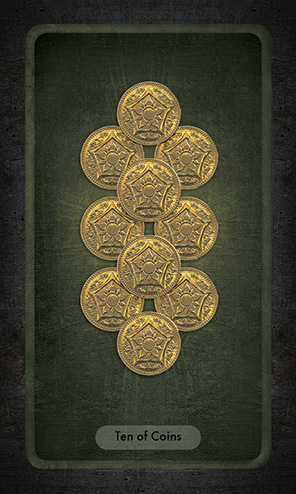
Ten of Coins 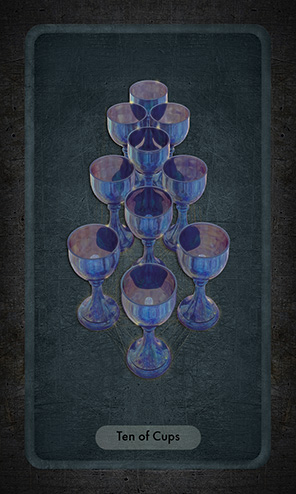
Ten of Cups 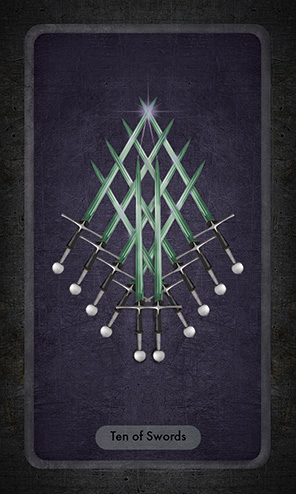
Ten of Swords
work in progress
Kickstarter Campaign Launching October 1, 2026
Provide your email address below to receive a notification when the campaign launches. The completed Tarot deck and companion book will be available for purchase at the close of the campaign if the Kickstarter funding goal is met.