Creating the Art
Once I have a clear and settled layout for a card, I begin assembling the visual elements required to realize it. These typically include a photorealistic rendering of the card’s central figure, a setting in which that figure exists such as a throne or architectural structure, any elements the figure interacts with such as animals or symbolic objects, and a background that establishes the broader environment.
The background plays a critical role. It establishes the visual tone of the card while also reinforcing its emotional and symbolic content. I usually have a strong conceptual sense of the setting before I begin construction. From there, I either adapt images from my existing photographic library or spend a day sourcing and photographing a suitable location in the geographic area where I live. During these sessions, I also capture close-up detail shots such as rocks, puddles, foliage, tree limbs, and ground textures that can later be used to enrich the scene. If the card includes specific props or animals, I look for open-source reference images that can serve as models for painting rather than direct inclusions.
Most backgrounds are composites built from multiple photographs. One image may supply the foreground, another the distance, with smaller photographic elements used to fill gaps and refine the composition. For example, the foreground for Death was photographed at an elementary school in Colorado. The combination of weathered stone, dead grass, and salt deposits produced the desolate texture I wanted for the card. A pale rock on the right side of the image suggested the form that later became the skeletal head of the serpent, while a large rock on the left was duplicated and mirrored to create the impression of an abyss opening in front of the figure.
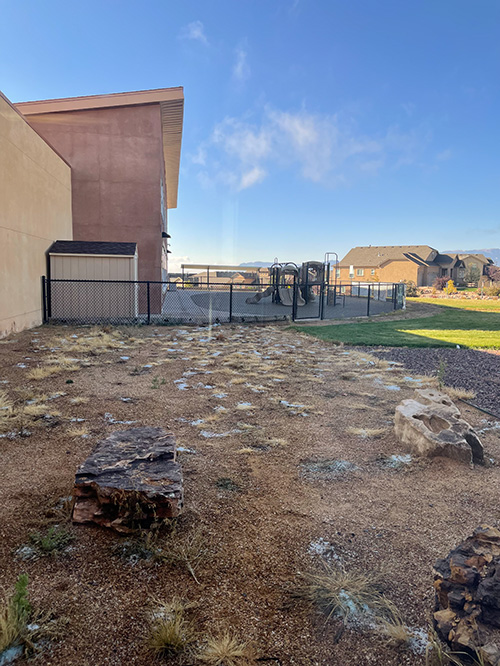

Once the setting is largely assembled, I adjust color, contrast, and tonal balance in Photoshop so the environment aligns with the card’s symbolism and emotional register.
The most time-intensive phase begins with the construction of the main figure. I typically start by painting the face at a much larger scale than its final appearance. Working large allows me to control expression, eye focus, and subtle anatomical features, particularly when the figure is based on a real person, which I strongly prefer. Painting from a specific individual produces a presence that feels distinctly human. Generic or invented faces tend toward idealization and visual sameness, lacking the idiosyncrasies that give a figure psychological weight.
Once the head is complete, I merge it with the underlying 3-D rendered body and repaint the figure so the two integrate seamlessly. When the body feels fully resolved, I add clothing and accessories, ensuring that anything worn or held responds naturally to the form beneath it. I then construct any additional elements that exist independently of the background, such as the chariot or the throne in Juno.
After the figure and supporting structures are complete, I place them into the scene and begin an iterative process of refinement. The background and figure remain separate files during this stage, allowing repeated adjustments to scale, color temperature, lighting direction, and contrast until the elements harmonize. The final pass involves painting directly onto the assembled card to unify all components. This often includes adding cast shadows, reflected light, and foreground details such as grass, leaves, stones, or debris. These details help bind the foreground, middle ground, and background into a coherent spatial whole and complete the illusion of a single, continuous environment.
